

At our award-winning Glass Museum, you can experience glass as a material. Immerse yourself in the wonderful world of glass!
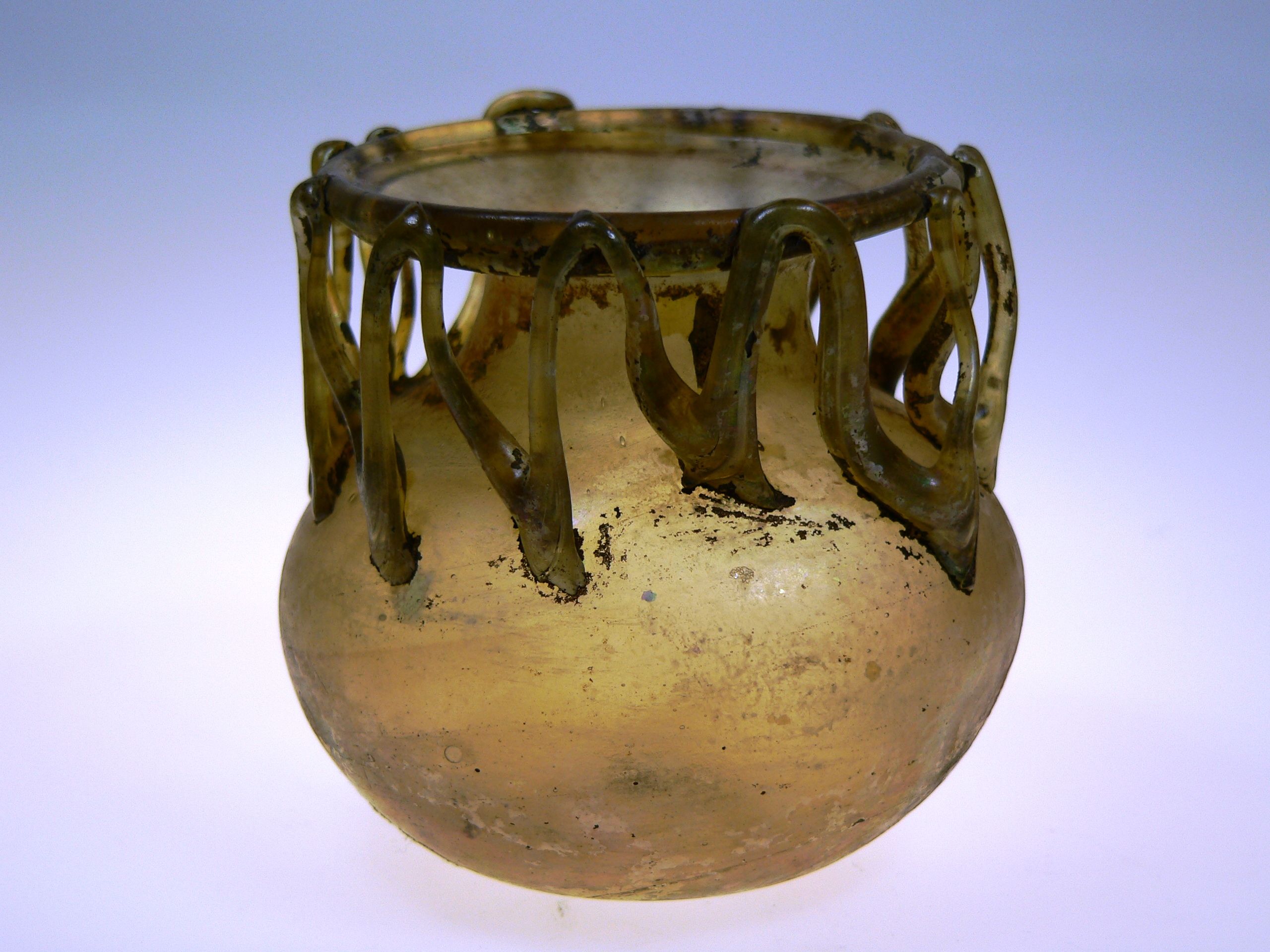
Spanning several floors in two historic half-timbered buildings, we take you on a journey through more than 3,000 years of glass history —from luxurious antique glass to modern high-tech applications. The“Follow the HEART – Discover the Material Glass”tour explores, through 21 themes, the diversity and significance of glass in culture, craftsmanship, science, industry, and everyday life.
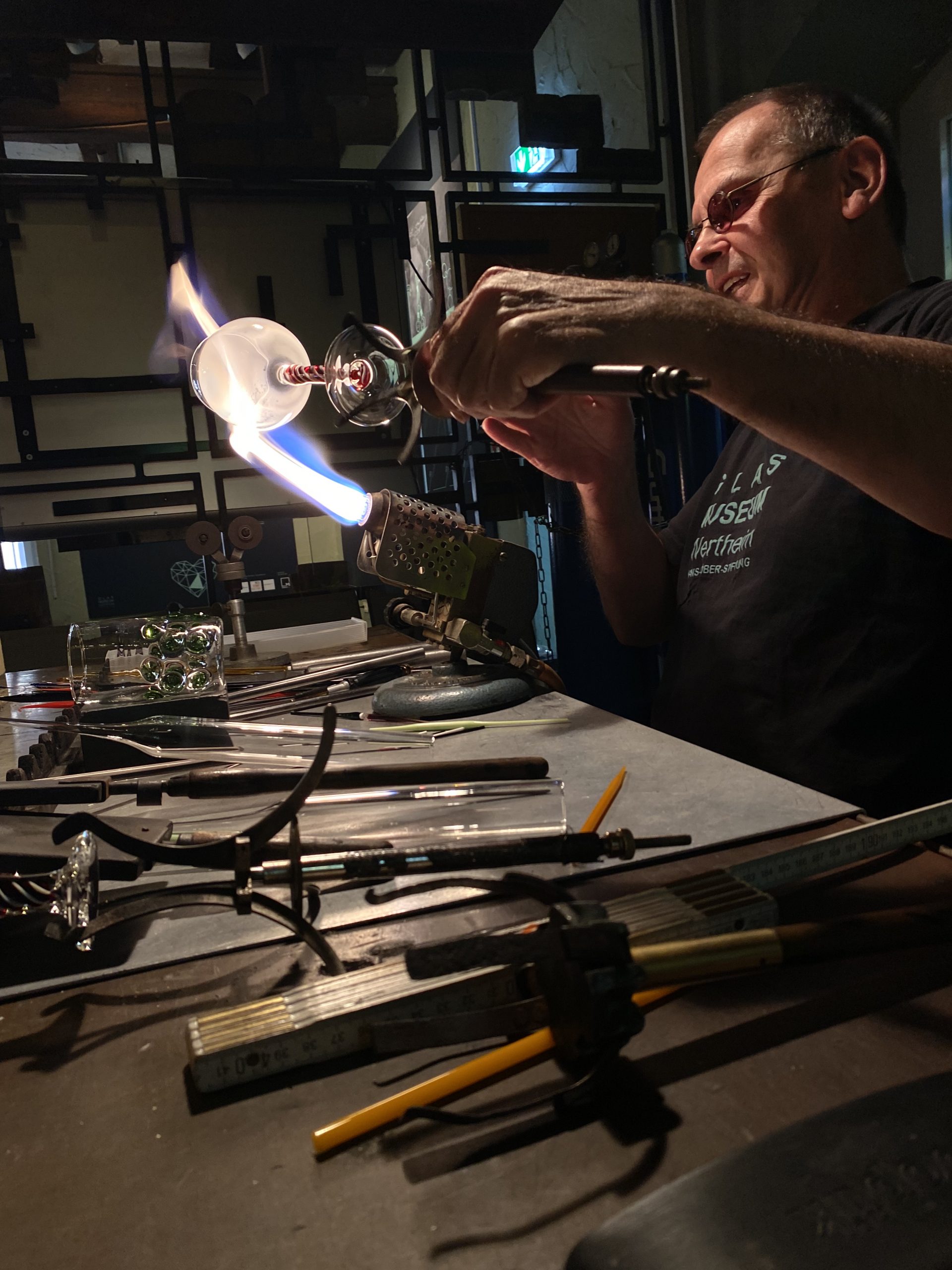
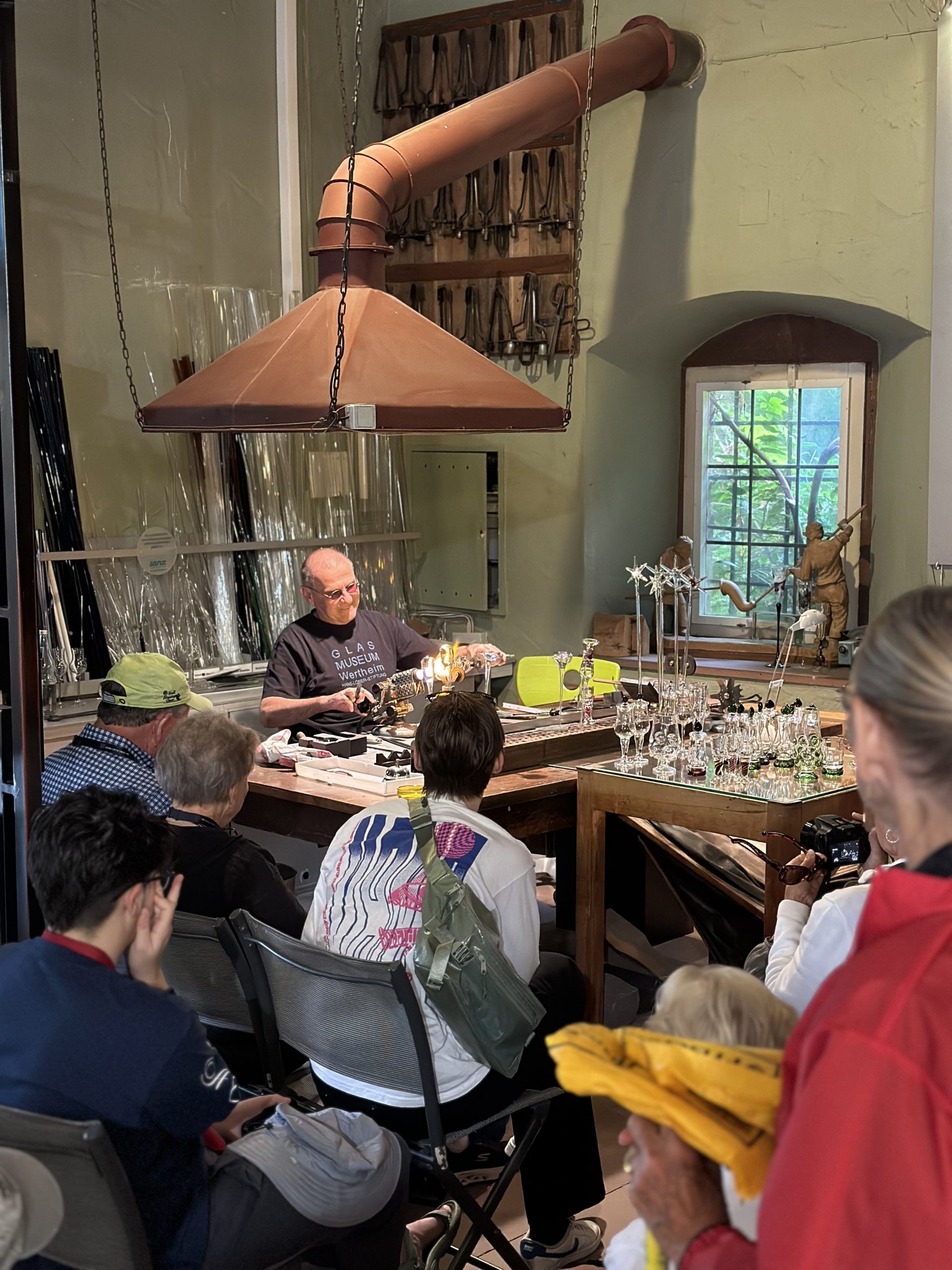
The museum’s glassblower demonstrates glassworking techniques in front of a 1,200°C flame. He shows visitors how to blow a glass sphere from a glass tube, form the base of a drinking glass, or assemble a glass animal while it’s still hot, and invites visitors to try blowing a glass sphere themselves.
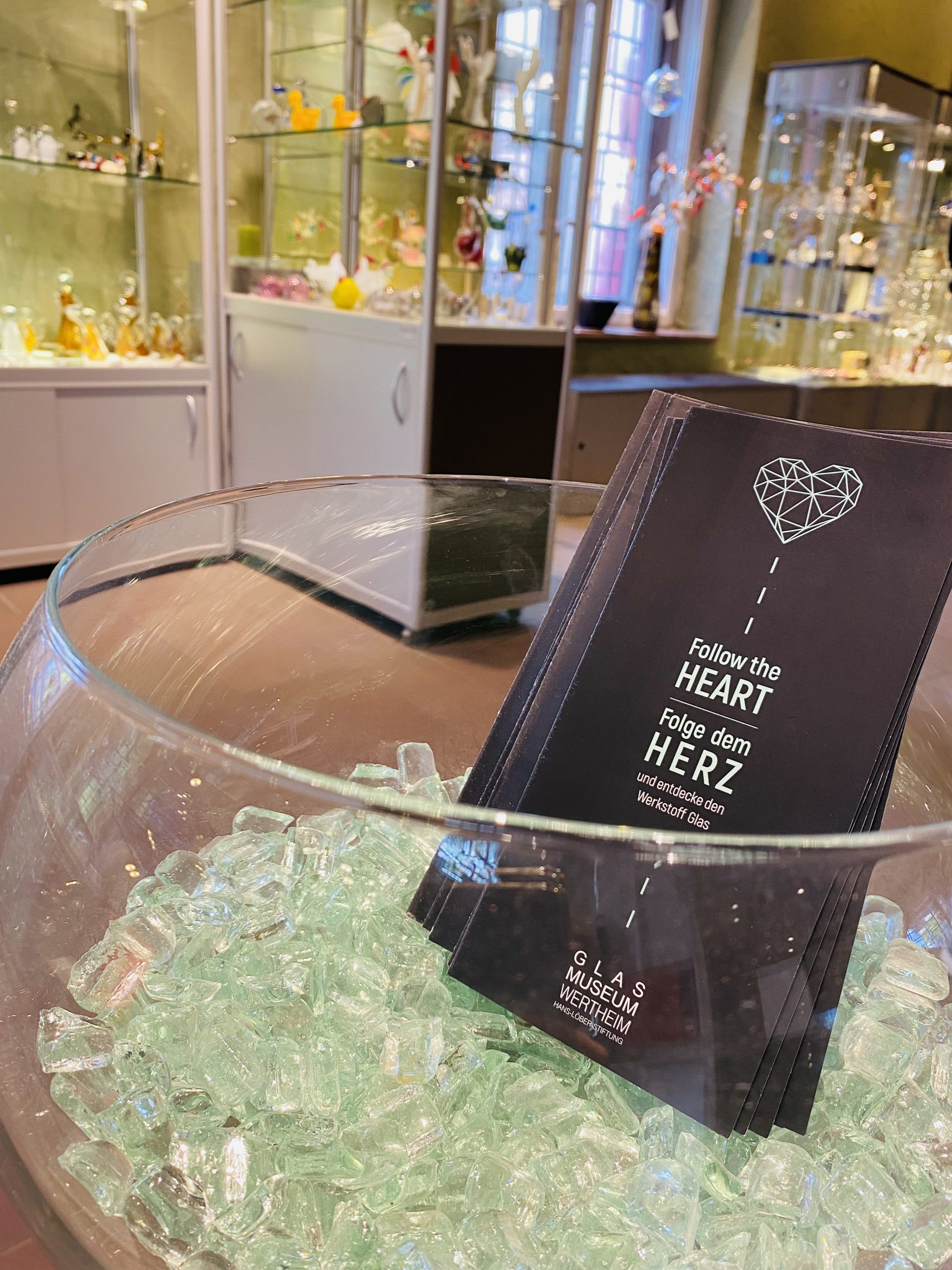
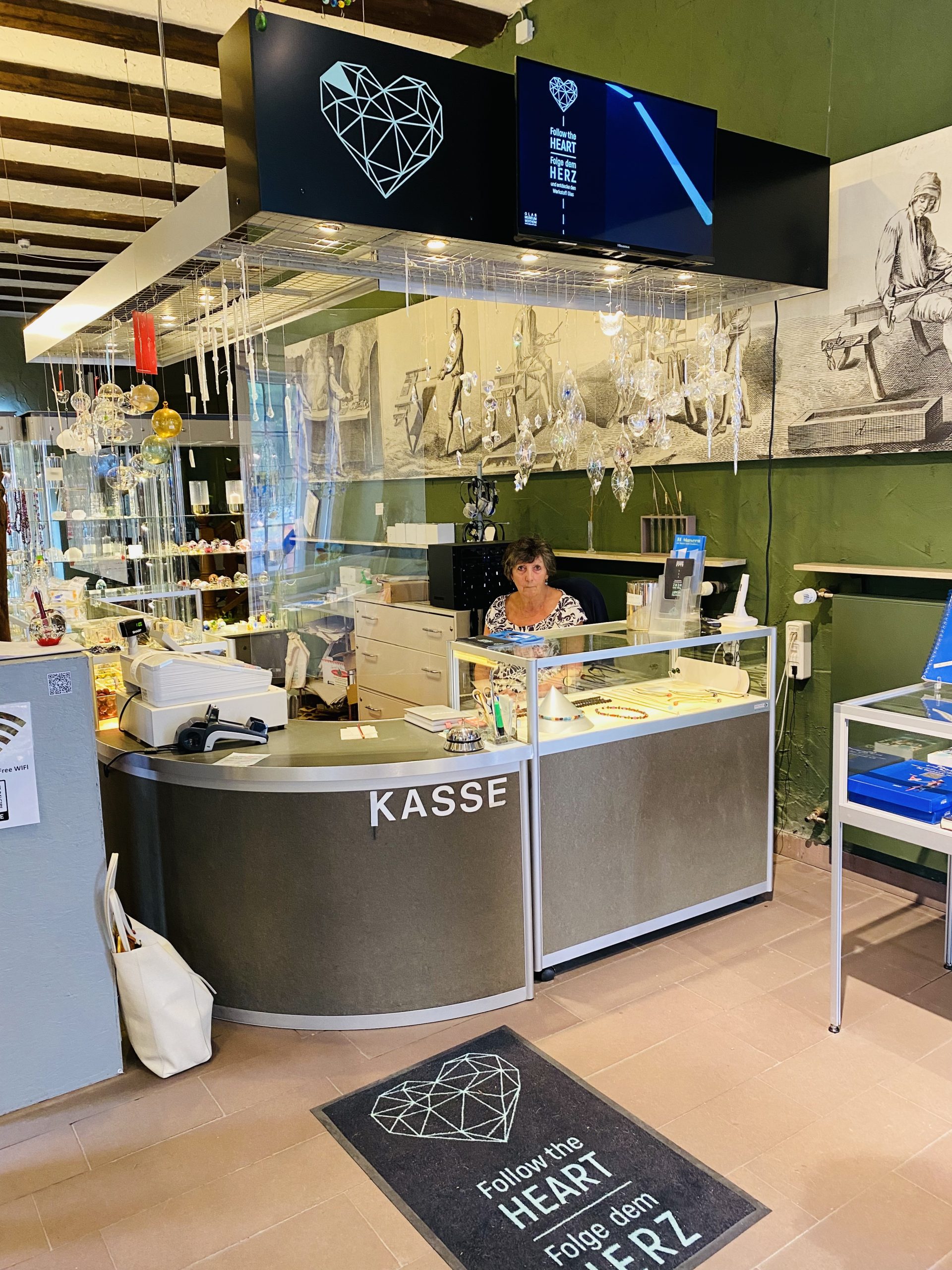
In the museum shop, visitors can purchase glass replicas, products from the Wertheim glass industry, modern glass art objects, or glass souvenirs to take home or give to friends and family. In doing so, they support the craft of glassmaking and contribute to the continued existence of the GLASMUSEUM WERTHEIM e. V.
Visitors are cordially invited to take a journey through the more than 3,000-year history of glass as a material and to discover the highlights of the GLASMUSEUM WERTHEIM—from the anointing vessels of antiquity to optical fibers and the Wertheim glass industry. Symbolized by the faceted, crystal-like HEART, the 21 HEART themes convey the multifaceted nature of glass as a material.
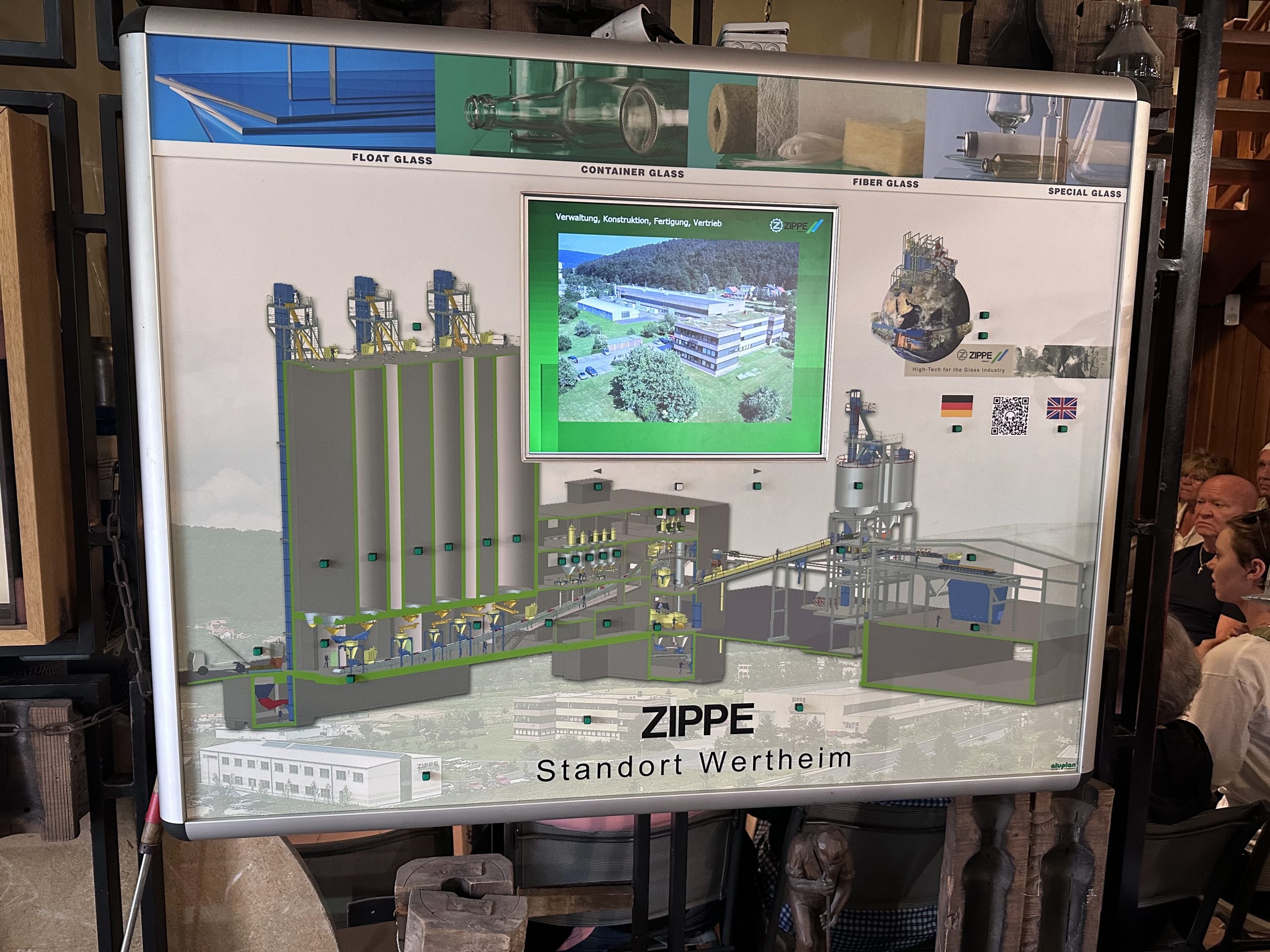
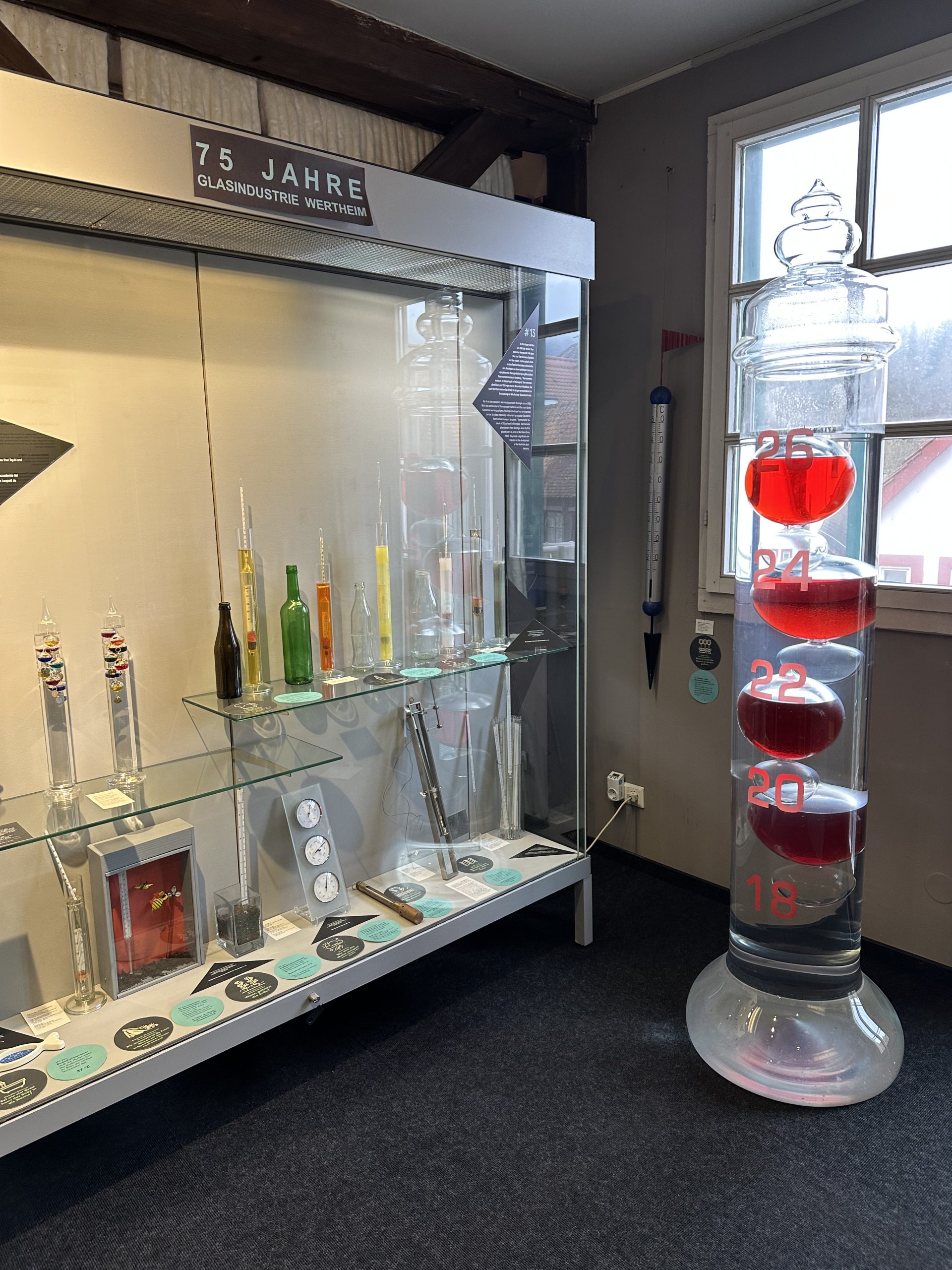
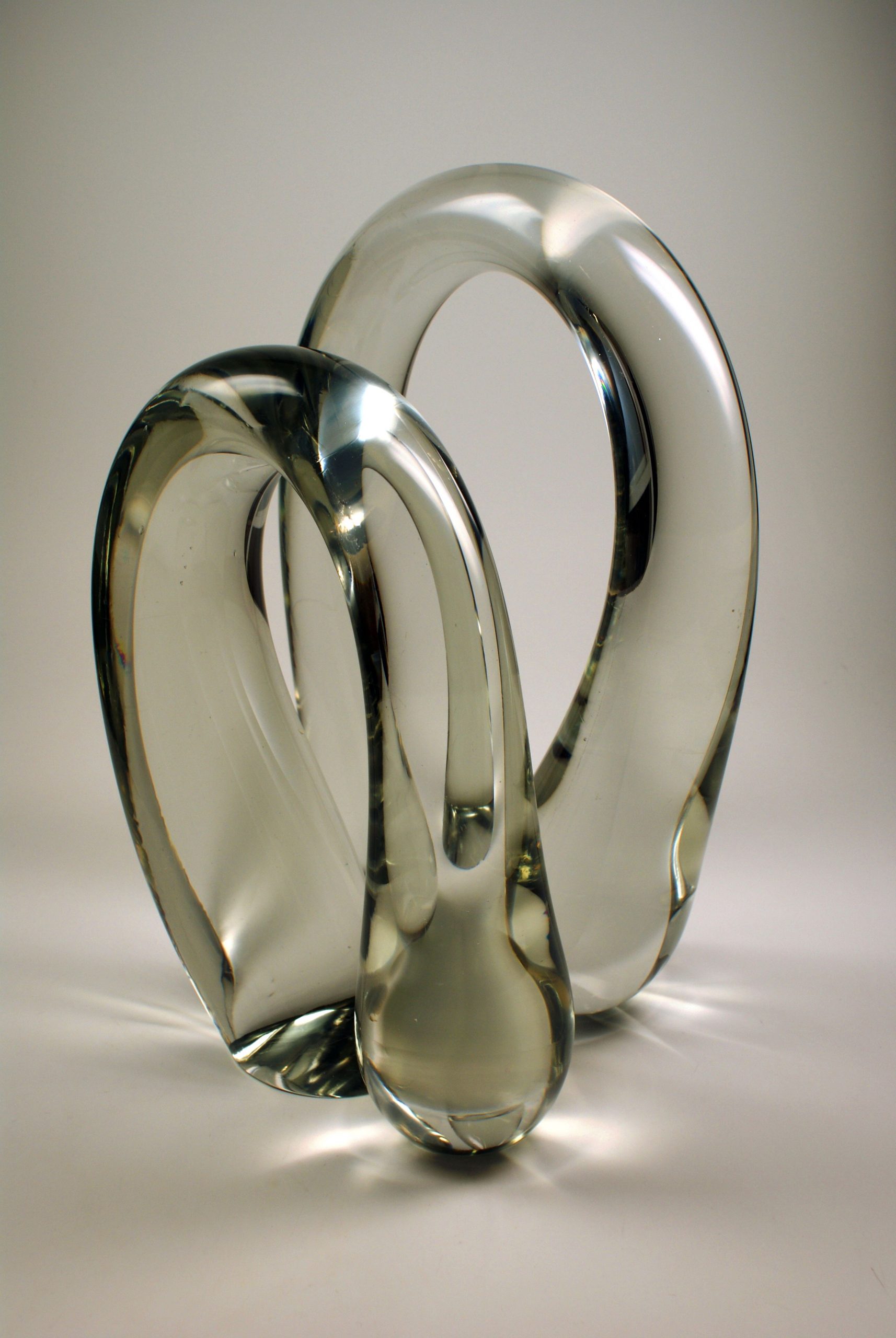
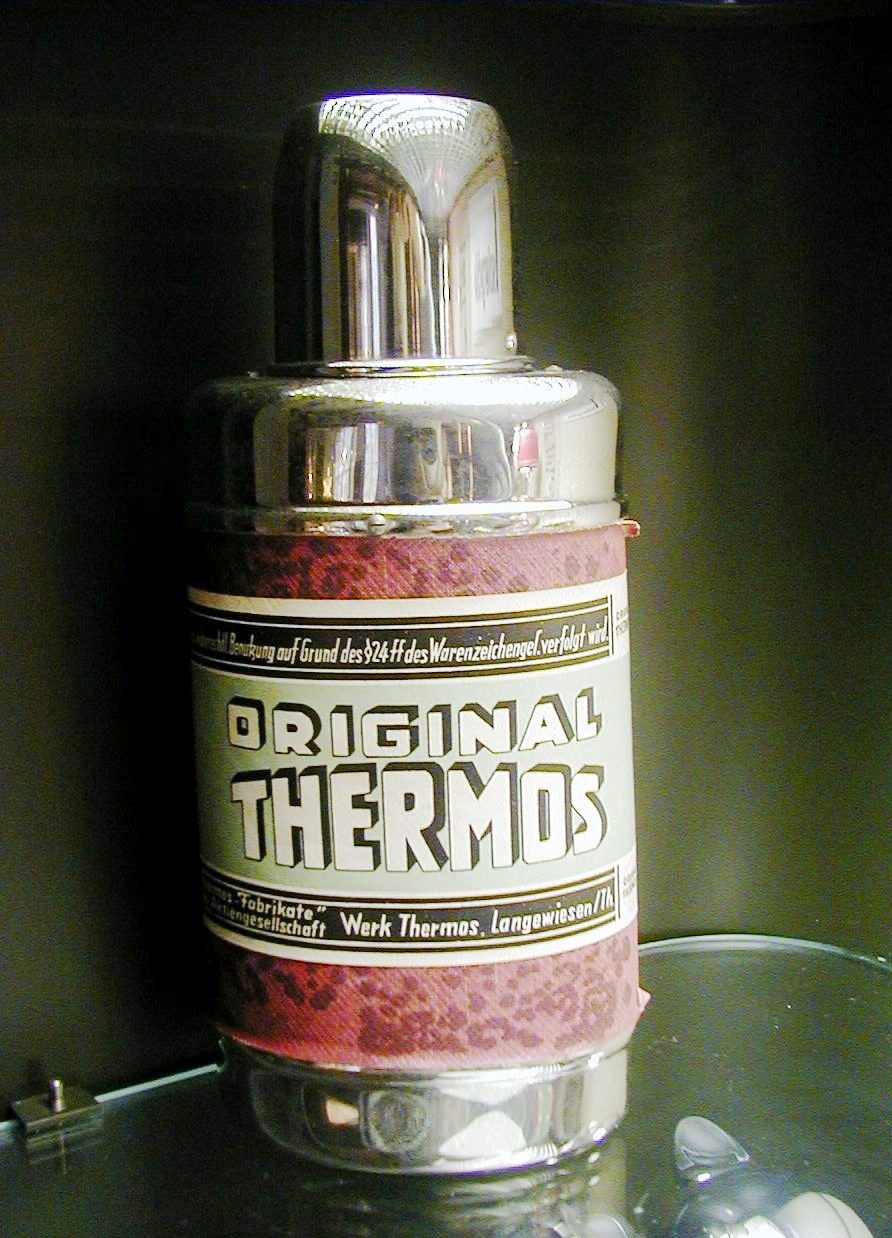
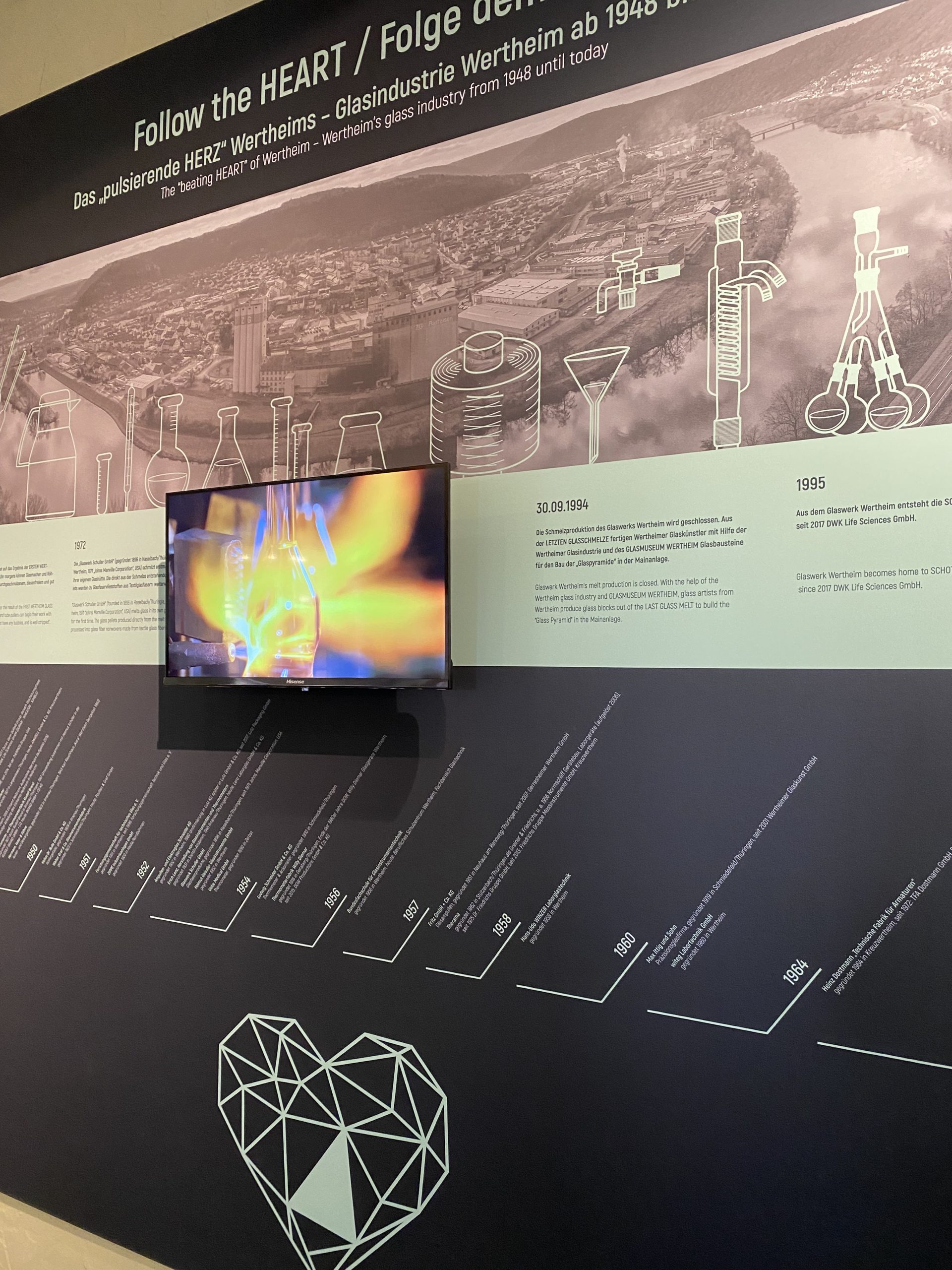
The “beating” HEART of Wertheim is GLASS. Starting on the ground floor, the “Wertheim Wall” traces the development of the Wertheim glass industry (beginning in 1948) into what is now the second-largest center of the German specialty glass industry. Following the HEART, visitors explore the significance of glass as a material in our daily lives, industry, medicine, pharmacy, and art across two upper floors through selected HEART pieces—such as a rhinestone crown, a Jena vegetable bowl, a thumb jug, an alembic, an “angel hair machine,” a Galileo thermometer, or the first studio glass objects.
The Alois Wienand Collection is part of the “HERZensangelegenheiten” exhibition. It is a collection of 75 replicas of historical glass pieces by the former glassmaker Alois Wienand from the Wertheim Glassworks (1950–1993), which he crafted based on originals, reconstruction drawings, and book illustrations using techniques from the Middle Ages and early modern period that he researched and experimentally (re)developed. The first replicas produced for the GLASMUSEUM WERTHEIM and later for many other museums are the glass arm rings (“Celtic rings”) made using the wheel-throwing technique, just as the Celts crafted them 2,500 years ago.
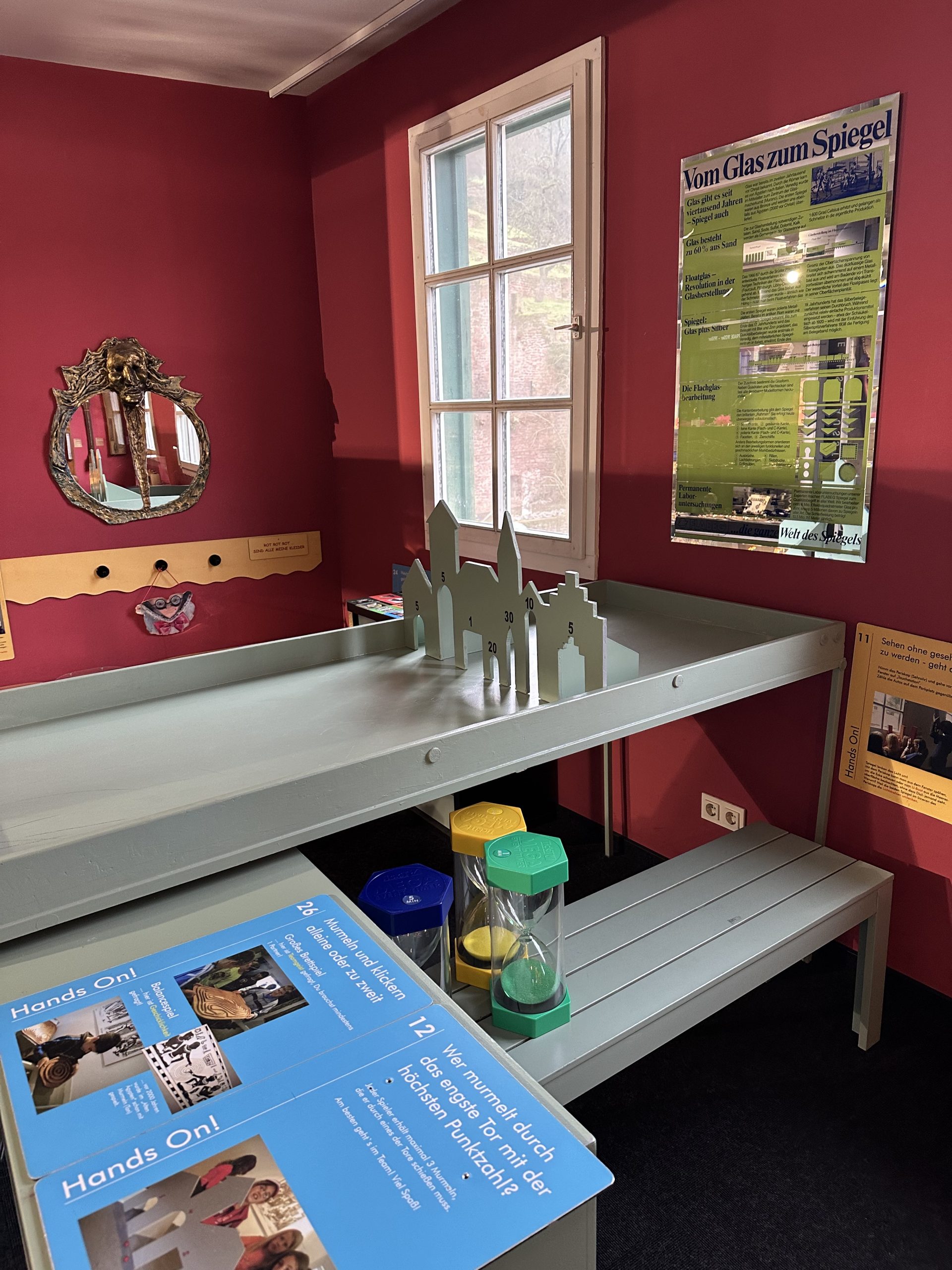
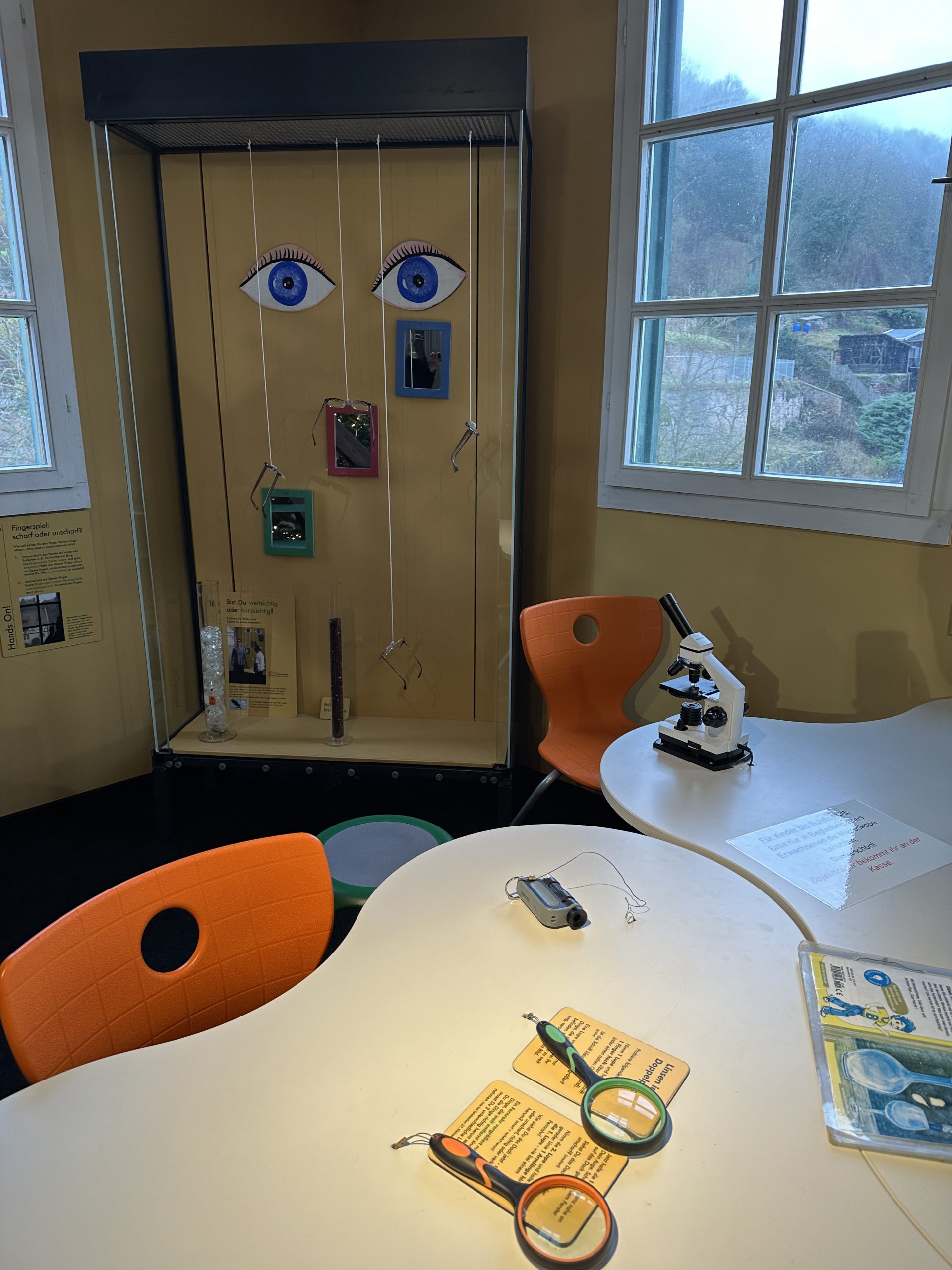
The 30 playful and experimental hands-on stations centered on the theme of glass—based on the HandsOn! principle of the Federal Association of German Children’s and Youth Museums (BDKJM, member since 2006)—allow not only children and young people to “grasp” the many facets of glass as a material.
The upper floor regularly hosts temporary exhibitions on contemporary glass-related themes: Glass + Art, Glass + Culture, Glass + Technology
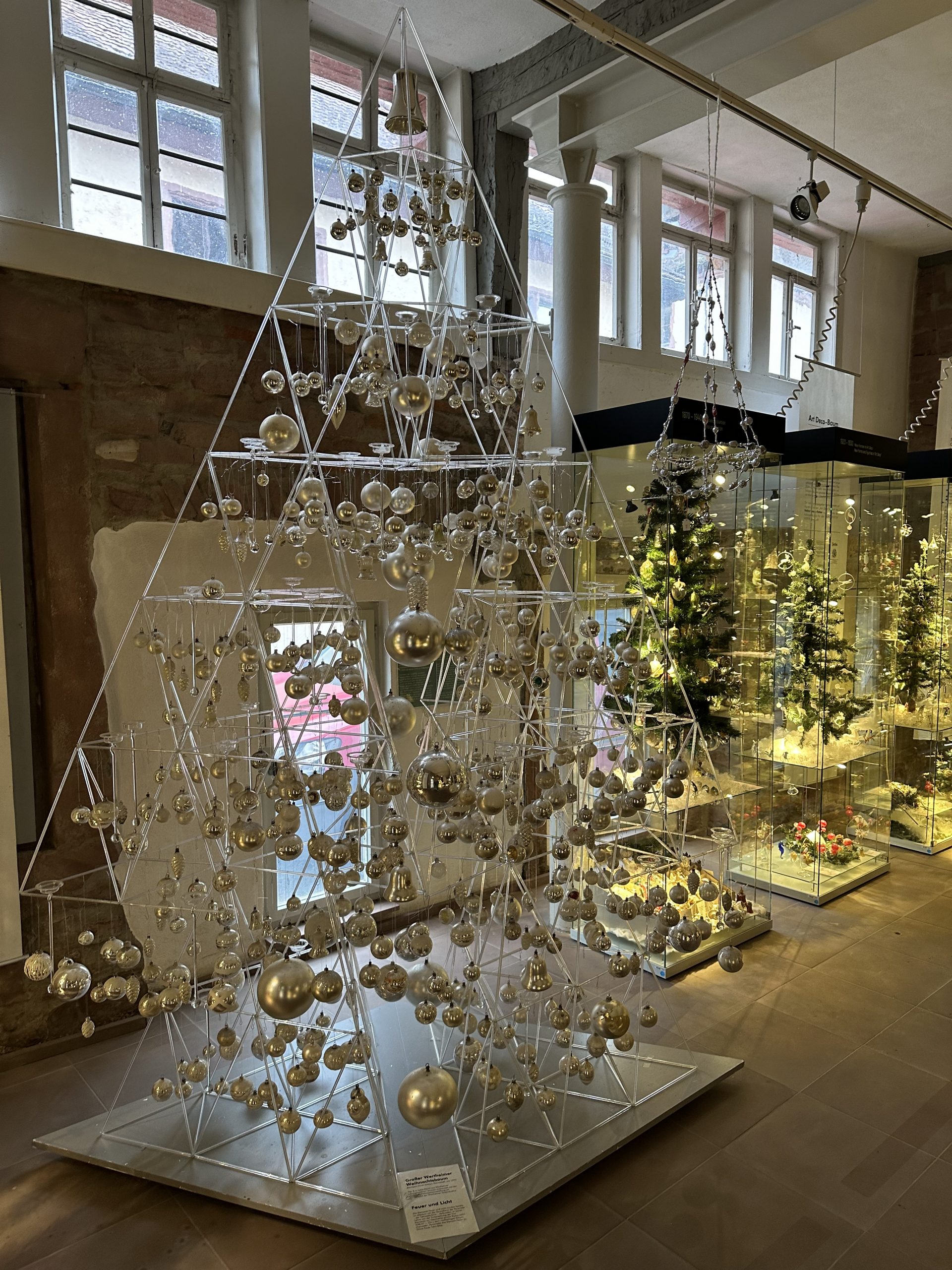
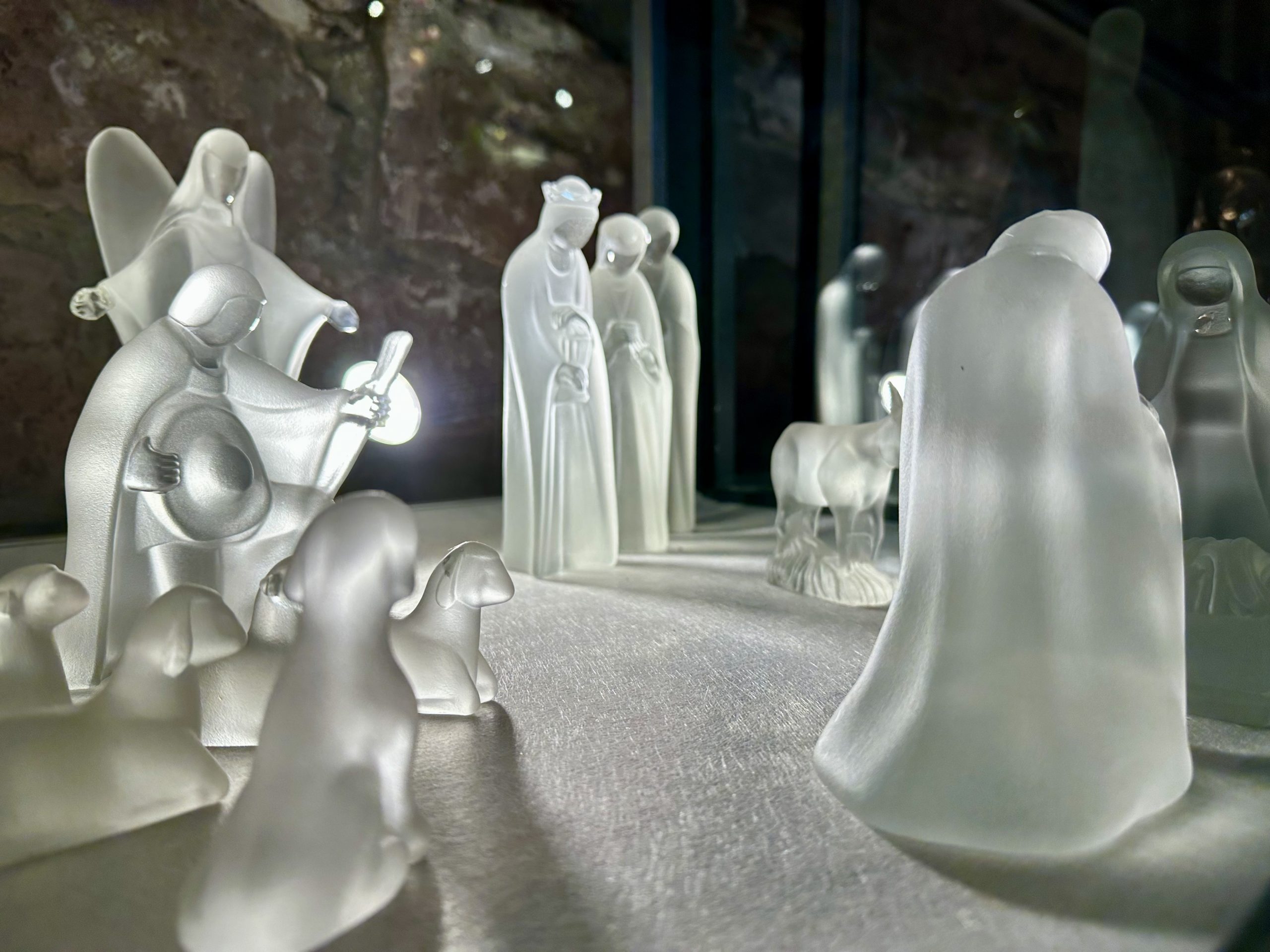
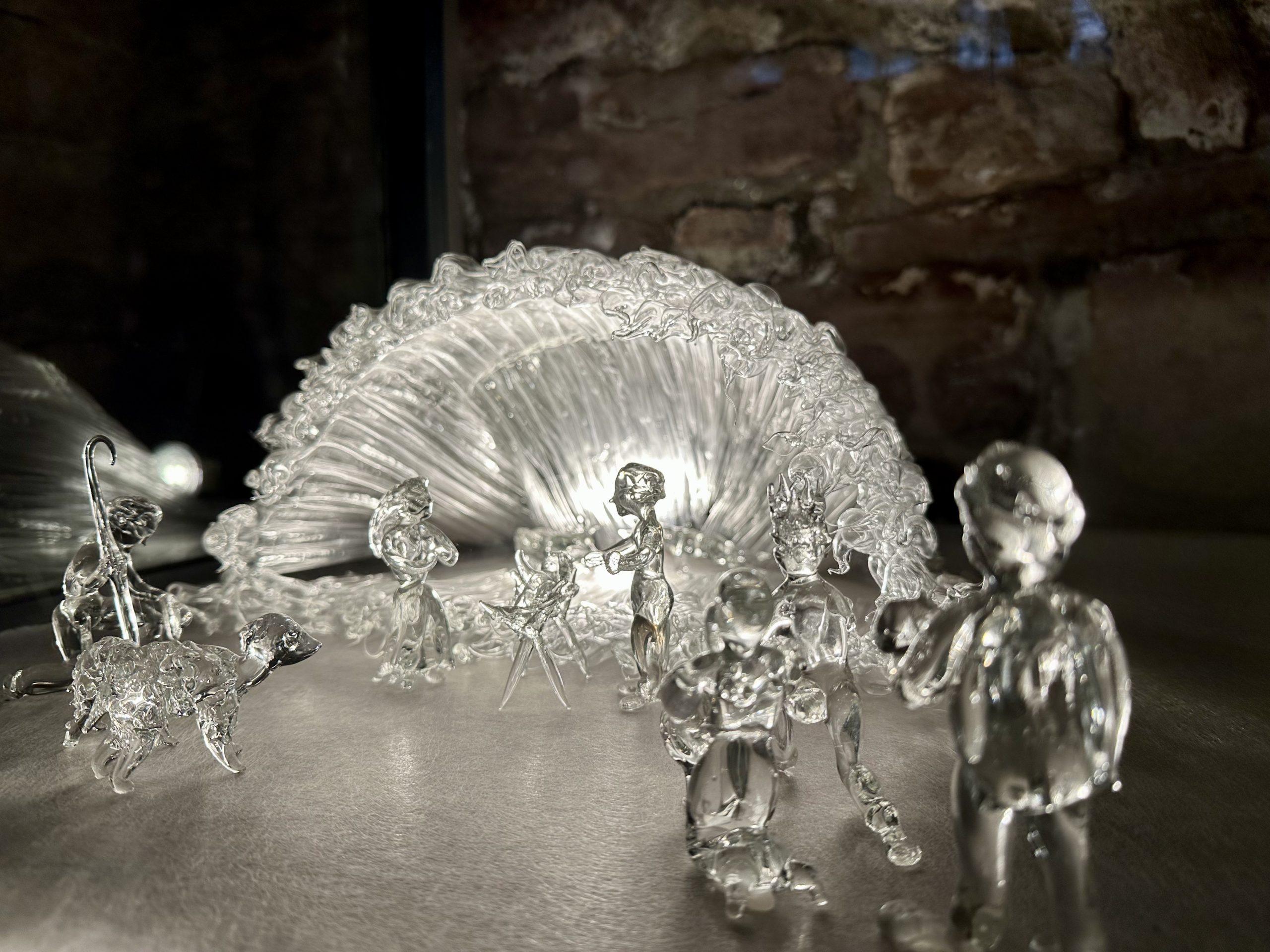
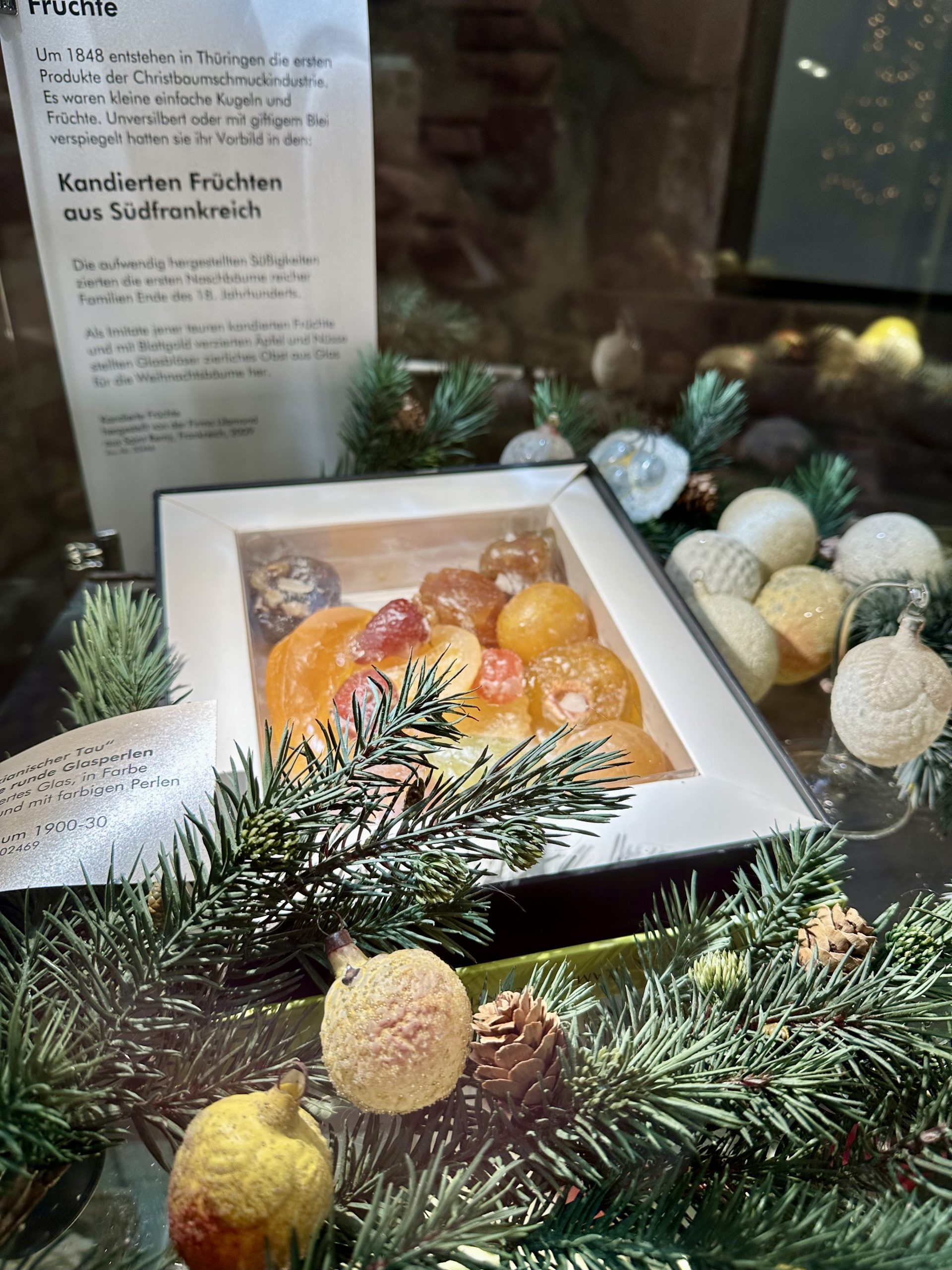
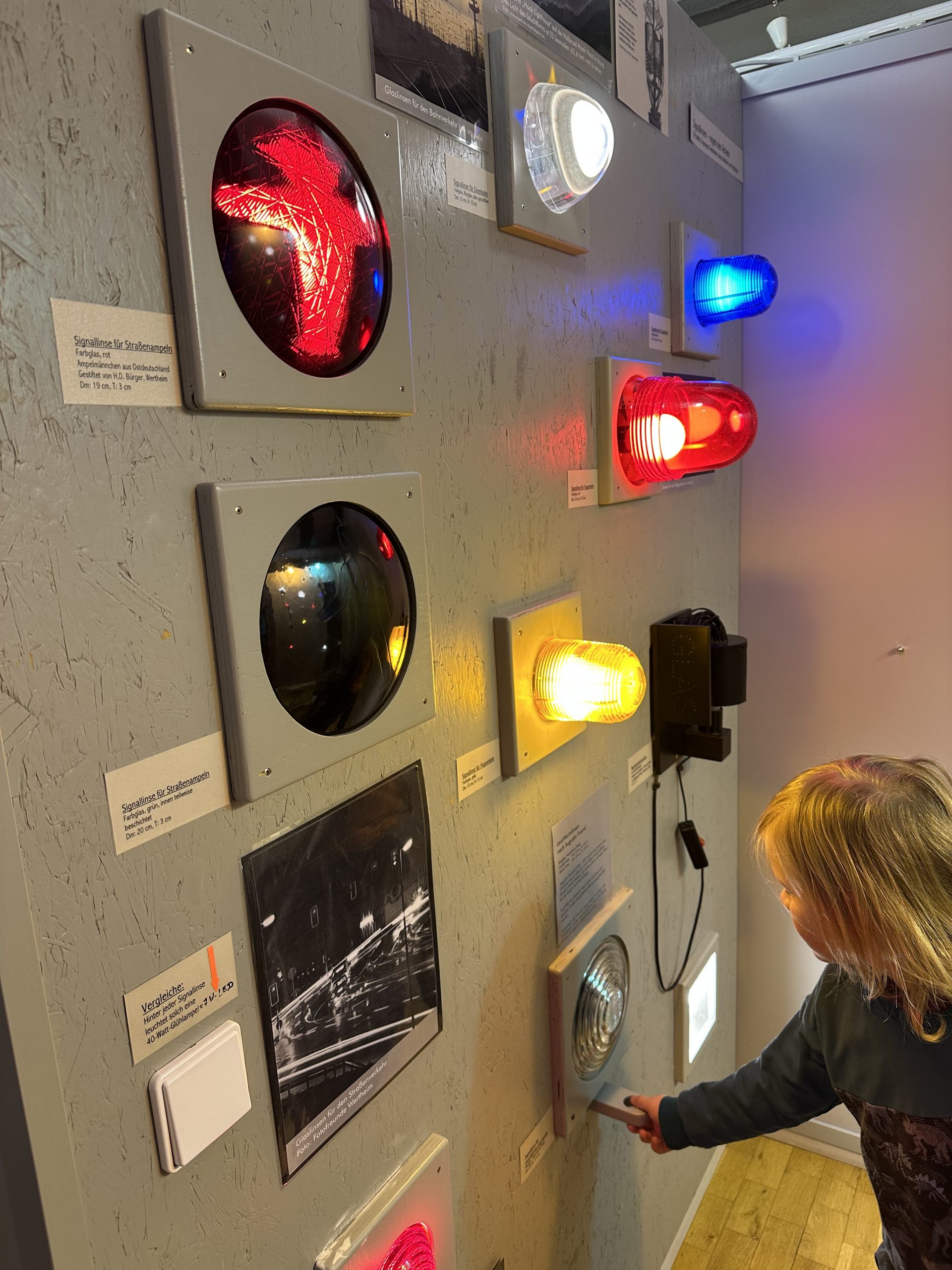
A particular highlight is the “Historical Christmas Tree Ornament Collection.” It illustrates the evolution of glassmaking technology within the Christmas tree ornament industry in Lauscha, which continues to this day; the industry’s designs, colors, and motifs have always reflected the fashions and preferences of the prevailing social norms as well as the wishes of its clients. The refinement of individual work processes, the high level of craftsmanship, and the implementation of new manufacturing methods by Thuringian glassblowers laid the foundation for the emergence of the glass-processing laboratory glass industry and industrial glass fiber production in Thuringia, which established itself in Wertheim beginning in 1948.
“Lauscha Christmas Tree Ornaments” were added to UNESCO’s Representative List of the Intangible Cultural Heritage of Humanity in 2021.
Glass Christmas tree ornaments from Thuringia have been available since the Biedermeier period. In the first half of the 19th century, Christmas trees were no longer displayed only in town squares but were brought into the “parlor” of middle-class homes. Three developments enabled a rapid increase in the production of glass Christmas tree ornaments in Thuringia: the establishment of the gasworks in Lauscha in 1867 and the production of aniline dyes at the first tar factory, founded a year earlier near London by the English chemist William Henry Perkin. Added to this was the non-toxic interior silvering developed by the chemist Justus von Liebig, which contributed to a vast variety of shapes and colors. Figures such as Pinocchio, whose nose grows long when he lies, or Wilhelm Busch’s Max and Moritz have enjoyed growing popularity in recent years. During the annual Christmas exhibition at the Wertheim Glass Museum from the first Sunday of Advent through January 6, they adorn the four-meter-tall “Thuringian Figure Tree.”
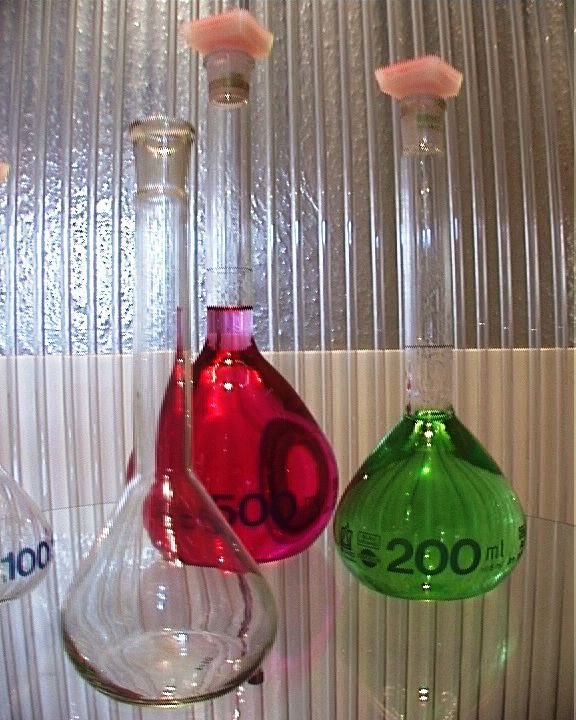
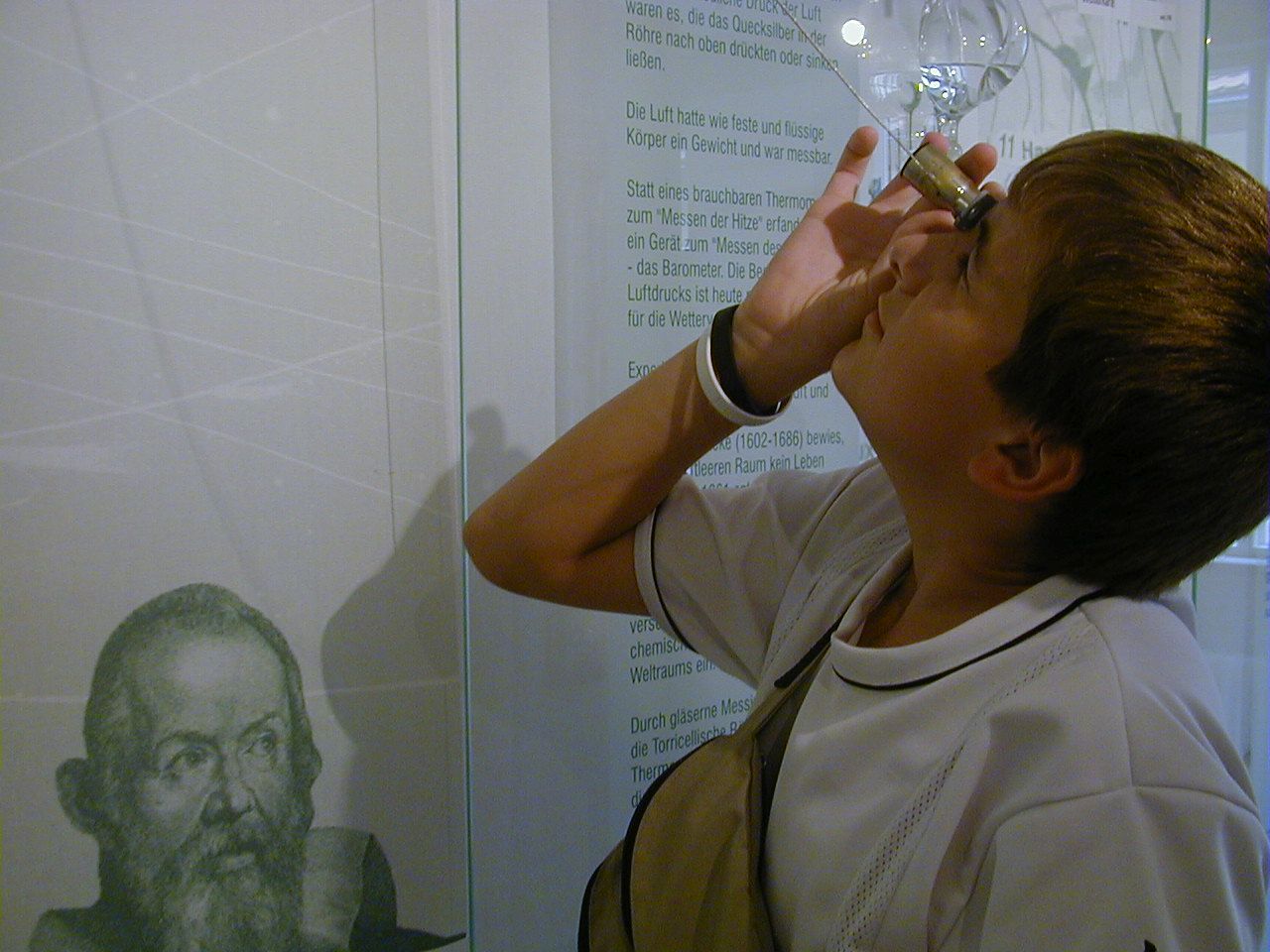
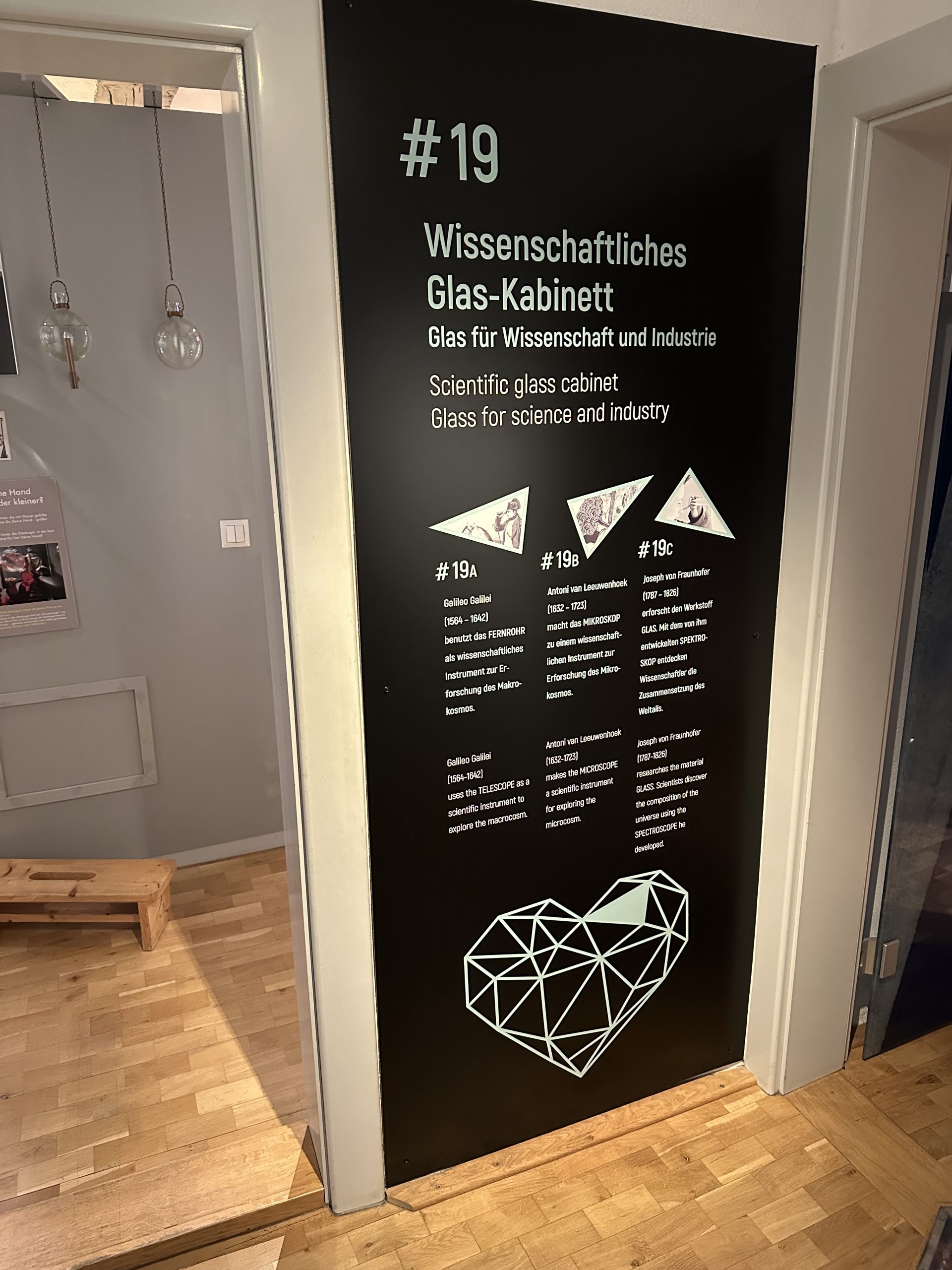
Another HEART piece is the "Scientific Glass" cabinet. Using the example of individual scientists and their inventions, it shows how glass was first used for science and what groundbreaking scientific successes were achieved with it: Galileo Galilei developed binoculars and used them to prove that the earth revolves around the sun, Isaack Newton discovered with the glass prism that light consists of the 7 colors of the rainbow, and much more.
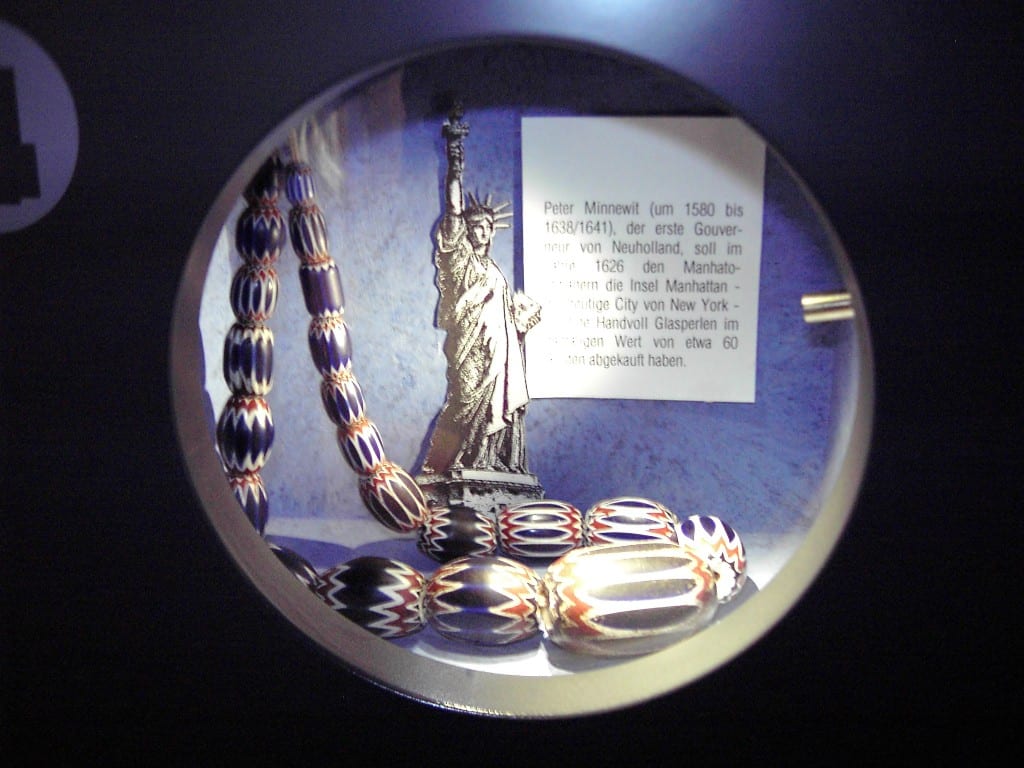
Another highlight of the GLASMUSEUM WERTHEIM is the Glass Bead Cabinet. Arranged along an imaginary string of beads, colorful “glass beads” tell the story of their cultural and historical significance: as grave goods, symbols of luxury and power, commodities, currency, means of communication and documentation, and even as extraordinary fashion jewelry.
The Glass Bead Cabinet features a partial display of the glass bead collection (ca. 1500 BCE to 700 CE) of Mainz-based scholar Thea Elisabeth Haevernick (1899–1982), supplemented by glass beads from the Glass Museum’s collection that illustrate the long history of the glass bead.
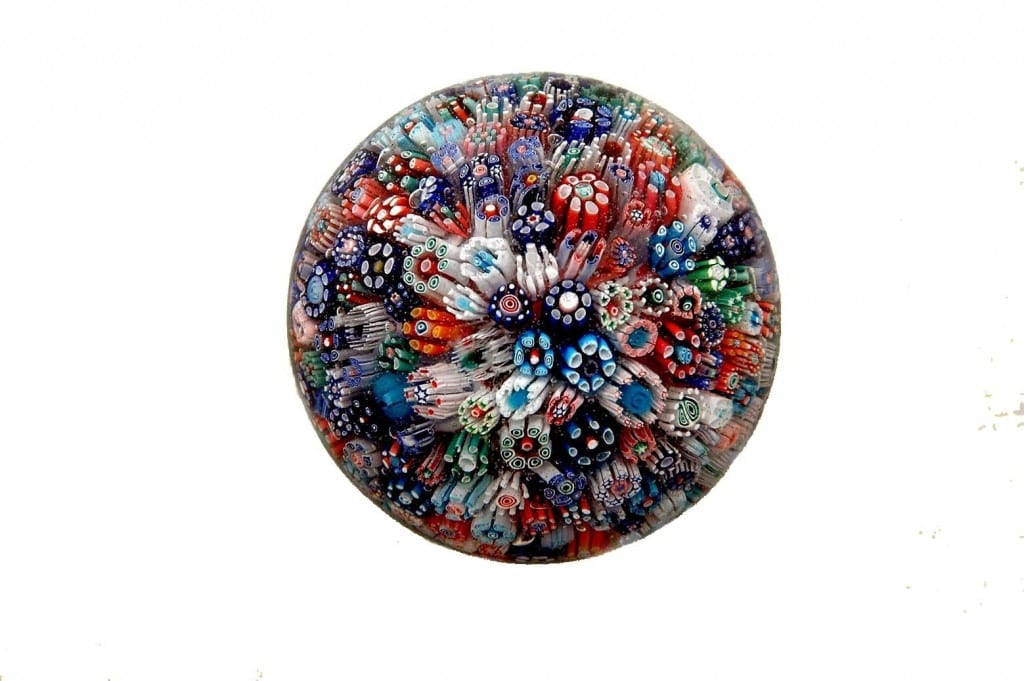
Collector and author Peter von Brackel has curated a selection of 600 glass paperweights for the GLASMUSEUM WERTHEIM—organized and displayed by production period, glassworks, techniques, motifs, and unusual shapes.